
- 59°F or colder is enough to trigger a physiological response
- Just 30–90 seconds delivers measurable neurochemical and circulatory benefits
- Consistency compounds: 3–5 sessions per week hit the sweet spot
- All fitness levels are turning to cold plunging as a non-pharmacological way to ease joint pain and inflammation
- Those with heart conditions, high blood pressure, or other cardiovascular concerns should consult a physician before starting
- Airpuria's at-home units offer precise temperature control and zero setup time to make consistency easy
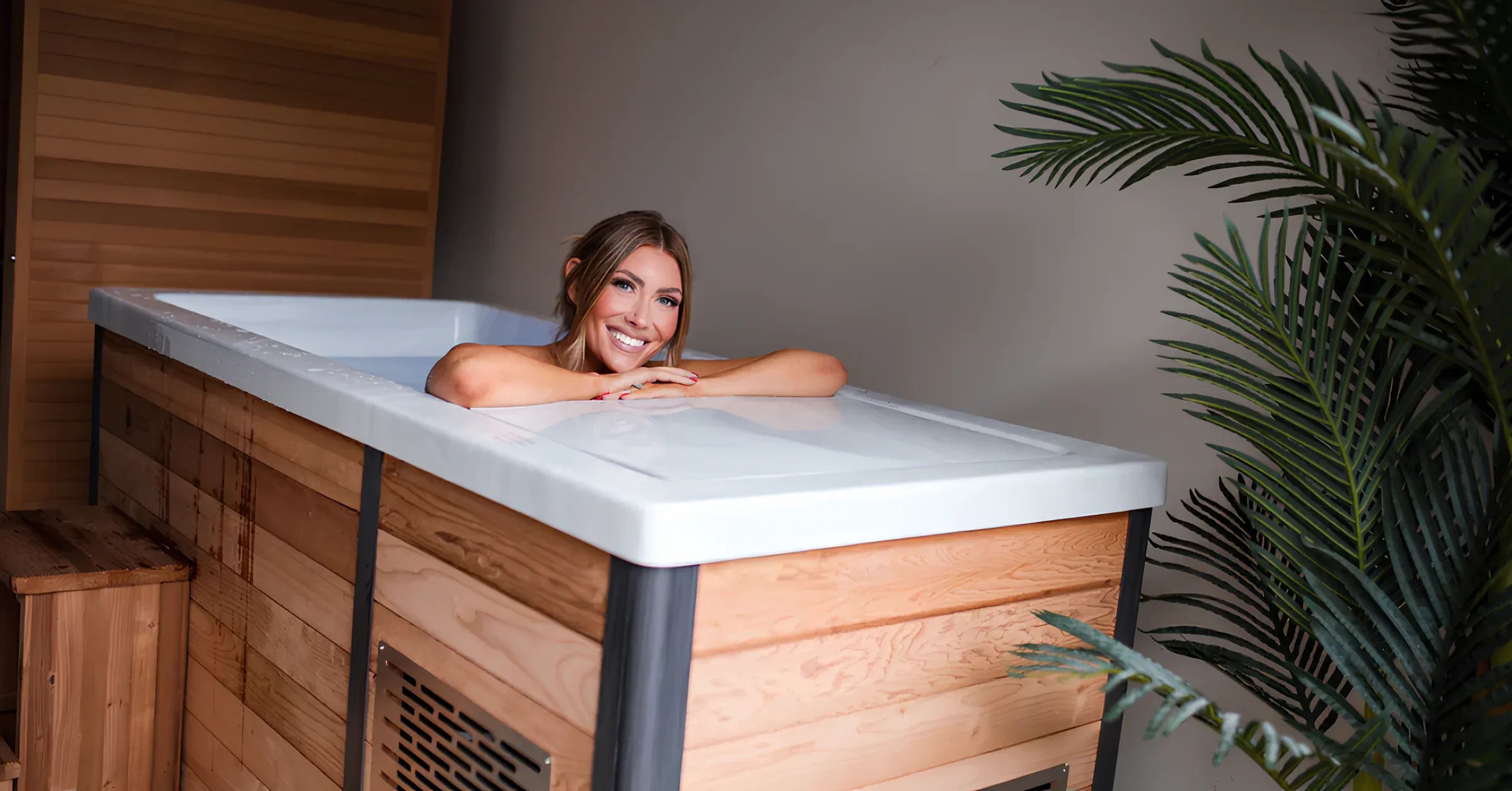
Cold Plunge Benefits: The Complete Guide to Cold Plunging
Cold plunging has become one of the fastest-growing wellness practices in the United States – and for good reason. Cold water immersion delivers real, measurable results for muscle recovery, mental clarity, circulation, and more.
Key Cold Plunge Insights You Need to Know
What Is a Cold Plunge?
Cold plunging is the practice of submerging oneself in cold water (typically 37°F to 59°F) for a short, controlled period. Also known as cold water immersion or cold therapy, it draws on centuries-old Scandinavian and Nordic wellness traditions.
What began as an athlete's recovery trick has grown into a full-fledged wellness practice, and now it's backed by a fast-growing body of research.
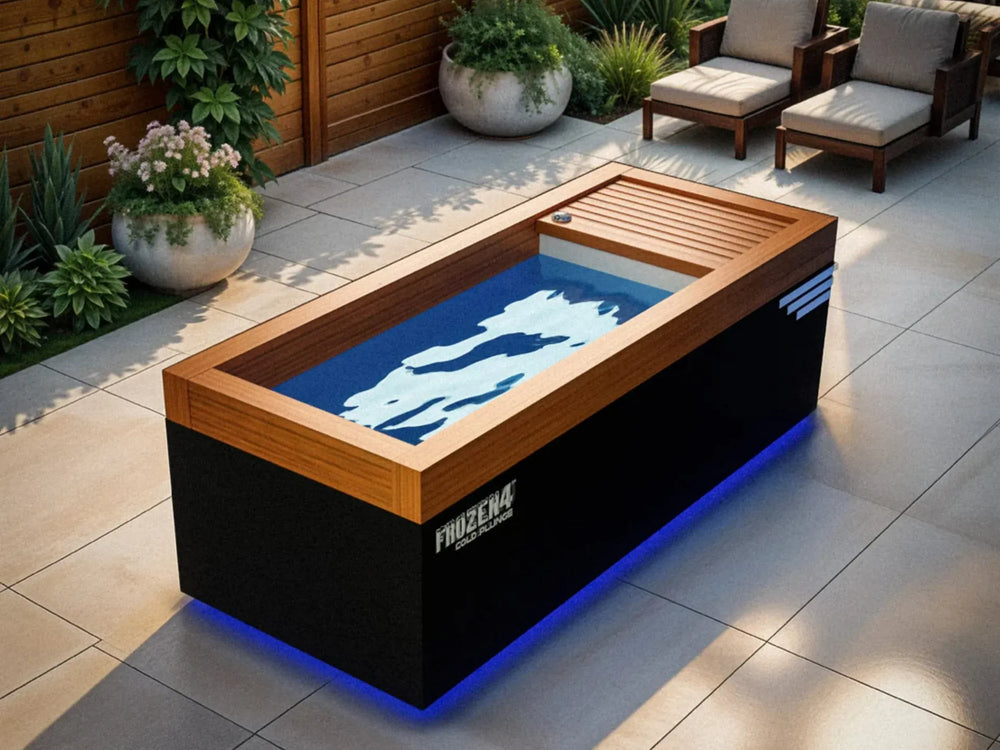
Cold Plunge Benefits Backed by Science
What does the science actually say about cold plunging? The research finally gives us a clear answer: It provides meaningful benefits across five key health categories:
- Muscle Recovery and Athletic Performance – Improves muscle recovery and increases blood circulation, flushing out metabolic byproducts and reducing swelling after intense training.
- Blood Flow, Circulation, and Blood Pressure – Can increase blood flow, reduce heart rate, and improve overall cardiovascular health.
- Mental Health Benefits, Mood, and Focus – Can increase dopamine by up to 250% above baseline and norepinephrine by up to 530%, with research linking consistent sessions to reduced anxiety and depression.
- Inflammation, Recovery, and Immune Function – Regular practice can lead to 29% fewer sick days, likely driven by lower inflammation and a more resilient immune system.
- Metabolic Health and Brown Fat Activation – Cold plunges support metabolism and body fat reduction, including lowering the risk of metabolic diseases, by activating brown adipose tissue (brown fat) to burn calories.
These benefits compound with consistency – making regular cold water exposure one of the most efficient additions to any wellness routine.
How to Start Cold Plunging Safely
01
What Temperature Counts as a Cold Plunge?
Most research defines the effective range as 50–59°F (10–15°C), with meaningful benefits documented throughout. Beginners can start near the higher end (55–59°F) and get real results – as your body adapts, gradually lowering toward 45–50°F delivers a more intense effect.
02
How Long Should You Stay in a Cold Plunge?
Beginners should aim for 30–90 seconds, while more advanced practitioners typically stay in for 2–5 minutes. More time does not necessarily bring more benefits but does increase the risk of hypothermia. Start small, listen to your body, and build your duration gradually over weeks.
03
What to Expect During Your First Cold Plunge
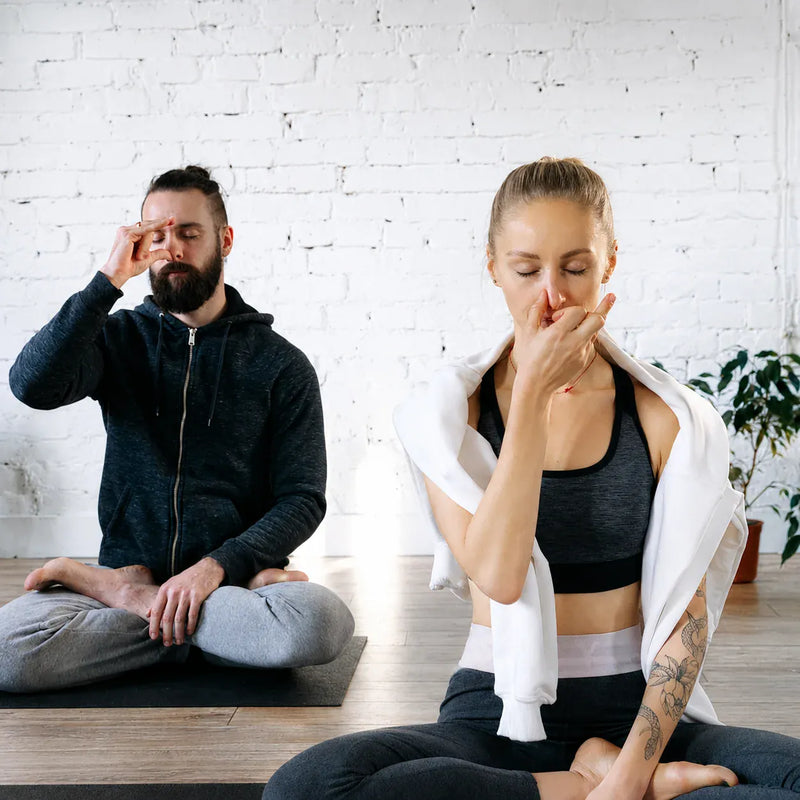
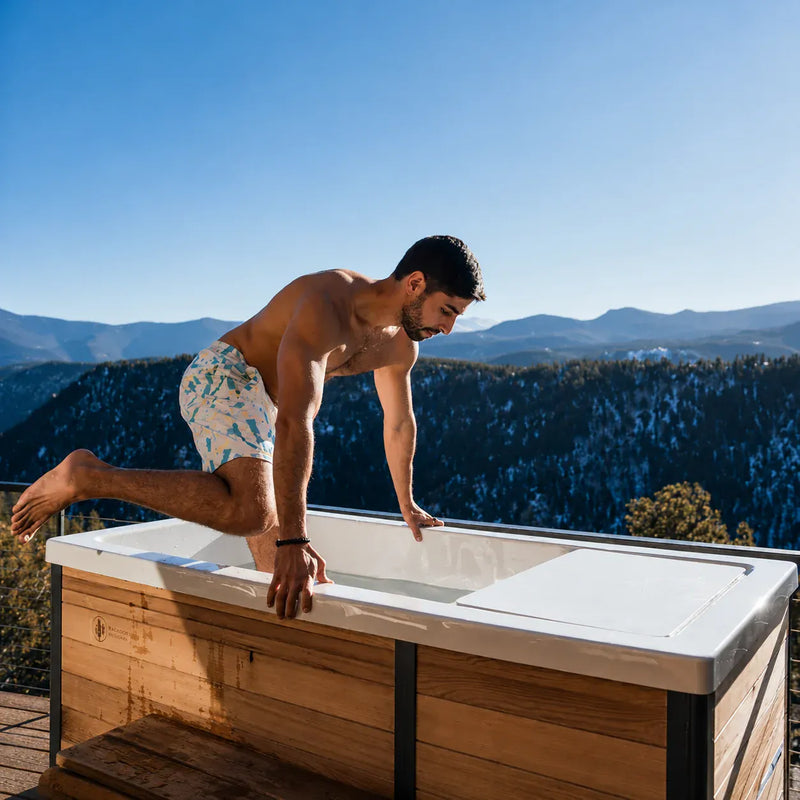
The first breath when you enter cold water will feel sharp and involuntary – this is the cold shock response, and it's completely normal. Your heart rate and breathing will spike in the first 30 seconds. The key is to take slow, controlled deep breaths to activate the parasympathetic nervous system and calm the initial shock. After about a minute, most people find the discomfort eases significantly. Stay present, breathe, and exit when you feel ready or when shivering intensifies.
Cold Plunge Tips for Beginners
- Start small: 30 to 60 seconds at 55–59°F is an excellent starting point
- Control your breathing: Slow, deep breaths reduce the panic response and help you stay in longer
- Stay consistent: Benefits compound with a regular practice, ideally 3–5 sessions per week
- Never plunge alone: Have someone nearby, especially in your early sessions
- Rewarm slowly: Towel off, bundle up in warm clothing, and let your body's own heat return gradually – save the hot shower for later
Cold Plunge vs. Cold Shower vs. Ice Bath
All three involve cold water exposure, but they differ in intensity, practicality, and effectiveness.
- Cold showers are the most accessible entry point – turning the water cold for the last 30–60 seconds of a shower produces some neurochemical benefits but delivers limited full-body immersion.
- Ice baths (filling a bathtub with ice and water) are more intense and effective but are difficult to prepare consistently and hard to control for exact temperature.
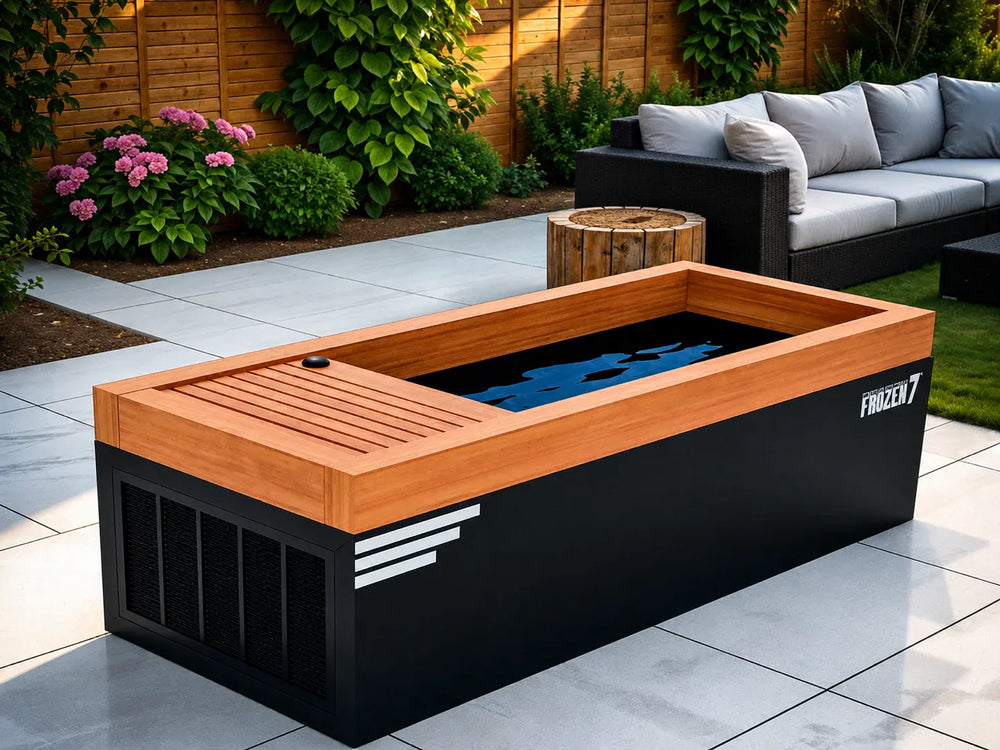
- Cold plunge tubs with built-in chillers offer the most consistent, convenient, and research-aligned experience – maintaining precise temperatures without the cost and mess of large bags of ice.
For anyone serious about making cold therapy a regular habit, a dedicated cold plunge tub is the most practical long-term solution.
Cold Plunge vs. Contrast Therapy (Sauna + Cold)
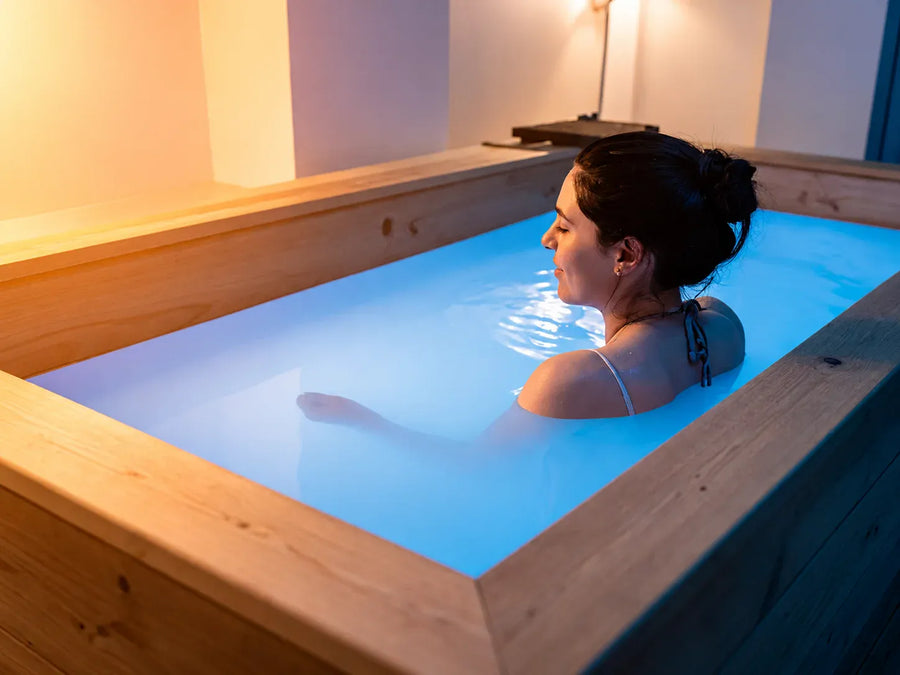
Contrast therapy – alternating between a sauna and a cold plunge – amplifies the benefits of both modalities by triggering powerful cardiovascular responses with each temperature shift. Alternating between hot and cold consistently delivers benefits across several key areas:
- Circulation and cardiovascular health – Blood vessels dilate in the heat, then constrict sharply in the cold, effectively "pumping" blood throughout the whole body.
- Muscle recovery – Alternating heat and cold accelerates post-workout recovery more effectively than cold alone.
- Stress and sleep – Activating the parasympathetic nervous system reduces stress and improves sleep quality.
- Mental resilience – Controlled cold exposure builds tolerance to discomfort and sharpens focus.
Pairing one of our home saunas with a cold plunge tub brings full contrast therapy home in one routine.
Are Cold Plunges Safe?
For most healthy adults, cold plunging is safe when approached with proper preparation and progression. Research has evaluated the psychological, cognitive, and physiological effects of cold water immersion in healthy adults using water temperatures at or below 15°C for at least 30 seconds. The key is starting gradually and paying attention to how your body responds.
Who Should Avoid Cold Plunges?
Individuals with the following conditions should consult a physician before attempting cold water immersion:
- Heart conditions or high blood pressure – The cardiovascular demands of cold shock can be significant
- Raynaud's disease – Cold exposure can trigger painful vascular episodes
- Pregnancy – Core body temperature changes must be carefully managed
- Active infections or fever – Cold exposure adds additional physiological stress
- Certain medications – Some medications affect circulation and temperature regulation
Common Risks and Safety Tips
The primary risks of cold plunging include hypothermia (from excessive duration), hyperventilation (from uncontrolled breathing at entry), and cardiovascular stress.
To stay safe, never exceed recommended time limits; always breathe slowly upon entry; avoid plunging alone; and exit immediately if you experience dizziness, numbness in extremities, confusion, or chest discomfort.
Choosing the Right Cold Plunge Tub
A home cold plunge tub removes the barriers to consistency — no ice runs, no temperature guesswork, no setup time. Our cold plunge collection includes options for every lifestyle and budget:
- Luxury Spas USA Cold Plunge Pro XL – Features a powerful 1 HP chiller that rapidly drops water to 37°F, sized to accommodate users up to 6'9" with a space-saving all-in-one design
- Luxury Spas USA Cold Plunge Pro – A more compact take on the Pro series, delivering the same precision cold therapy in a smaller footprint
- Dundalk Leisurecraft Cold Plunge – Beautiful, artisan-crafted cedar tub with your choice of stainless steel or HDPE interior, holding 190 gallons for solo or shared use
All cold plunges ship free, and financing options are available. You may apply for 0% interest financing for up to 18 months (subject to approval) – explore individual financing here or business financing here. Visit our About Medical Frozen Cold Plunge page to learn more about specialized cold plunge options, or contact our team for personalized recommendations.
Frequently Asked Questions
Beginners should aim for 30–90 seconds, while more advanced practitioners typically stay in for 2–5 minutes. The most important factor is consistency over time – shorter, more frequent sessions are more beneficial than occasional long ones.
Yes – daily cold plunging is practiced by many enthusiasts and is considered safe for most healthy adults when sessions stay within recommended time and temperature ranges. Cold therapy works best when it becomes a consistent habit – benefits compound with regularity. Listen to your body, and if signs of excessive fatigue or soreness appear, allow a rest day or two.
After exiting the cold water, dry off, dress in warm layers, and let your body reheat naturally – skip the hot shower and let shivering do its job. Many practitioners follow with light movement, deep breathing, or meditation to extend the mood-enhancing effects.
Ready to experience the benefits firsthand? Explore our full cold plunge collection or browse our luxury spa and cold plunge options to find the perfect fit for your wellness routine. Questions? Contact our team – we're here to help.