
- FDA-approved HBOT has a strong safety record; serious complications are rare when proper protocols are followed.
- The most common side effect is mild ear discomfort – manageable with simple pressure-equalization techniques.
- Not all hyperbaric chambers are equal; FDA clearance is the baseline standard for safe use.
- Certain medical conditions and medications may affect HBOT suitability.
- A prescription is required to purchase an OxyHealth chamber through Airpuria.
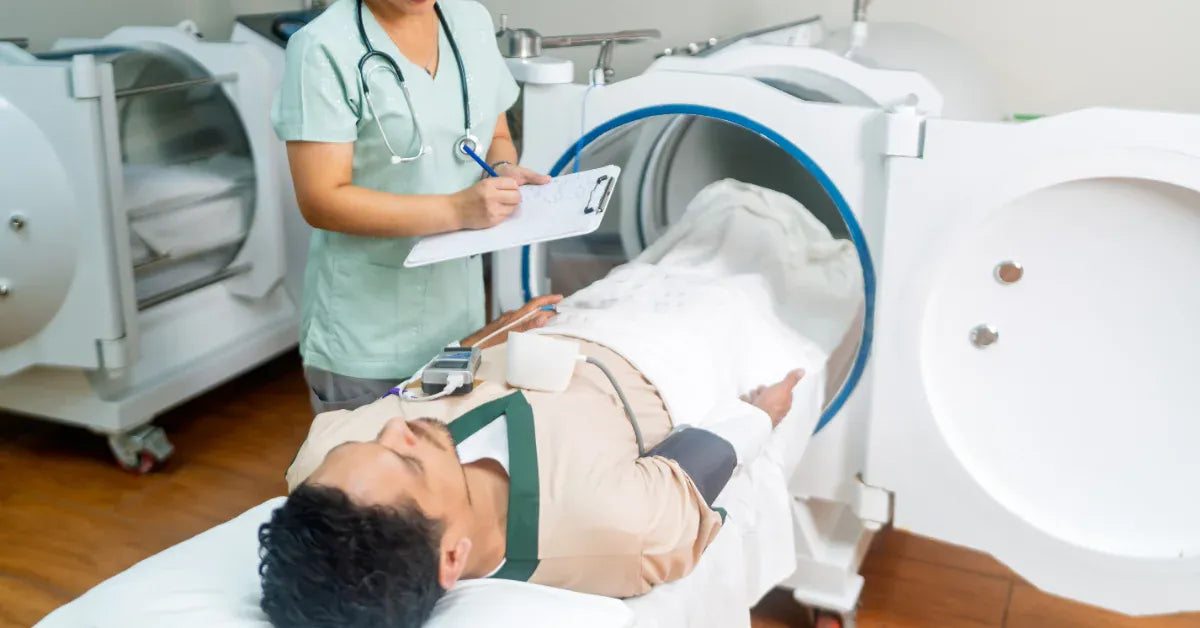
Is HBOT Safe? A Science-Backed Guide to Hyperbaric Oxygen Therapy Safety in the US
Hyperbaric oxygen therapy (HBOT) has a strong clinical safety record – but whether it's safe for you depends on the equipment used, the condition being treated, and the protocols in place. When administered using FDA-cleared chambers for approved indications, HBOT is considered safe and well-tolerated by most people, with side effects that are typically mild and self-limiting.
Key HBOT Safety Insights You Need to Know
How Hyperbaric Oxygen Therapy Works
Hyperbaric oxygen therapy involves breathing concentrated oxygen in a pressurized chamber where air pressure is raised above normal, helping the lungs gather significantly more oxygen than they would at normal pressure. This increased air pressure allows oxygen to dissolve more efficiently into the blood, including blood plasma, and reach body tissues, injured tissues, and areas with poor blood flow or blood supply.
Unlike breathing normal air, oxygen therapy delivered in a pressurized chamber above normal air pressure helps the body use extra oxygen to support healing at the cellular level, including the formation of new blood vessels and support for white blood cells.

FDA Clearance and What It Means
FDA clearance means the device has been reviewed by the FDA and determined to be substantially equivalent in safety and effectiveness to another legally marketed device of the same type.
Not all chambers on the market meet this standard. When evaluating any hyperbaric chamber, look for:
- FDA clearance: Confirms the device has been reviewed and authorized for medical use in the United States.
- International Hyperbarics Association (IHA) certification: Independent verification that the chamber meets established safety and performance standards.
- Documented safety record: A track record of real-world clinical use backed by manufacturer transparency and ongoing customer support.
Choosing a chamber with verified FDA clearance is a non-negotiable first step toward safe therapy. Learn more at our Certification and Accreditation page.
When Hyperbaric Oxygen Therapy Is Considered Safe
FDA-approved hyperbaric oxygen therapy remains among the safest medical treatments used today, and side effects are self-limiting and often avoidable with adequate screening.
The FDA has approved HBOT to treat a specific set of serious, well-studied medical conditions. These include:
- Decompression sickness
- Carbon monoxide poisoning
- Diabetic foot ulcers
- Gas embolism
- Chronic bone infections (osteomyelitis)
- Radiation tissue damage
HBOT is also used to support wound healing, infection recovery, athletic performance, and more. When used as directed with certified equipment and a physician prescription, HBOT has a strong safety record.


Who Should Not Use Hyperbaric Oxygen Therapy?
HBOT is not appropriate for everyone. Certain medical conditions, medications, and physical factors can make therapy unsuitable. If any of the following apply to you, consult your physician before considering HBOT:
- Untreated pneumothorax – A collapsed lung is an absolute contraindication and must be resolved before HBOT begins.
- Ear or sinus pressure issues – Difficulty equalizing pressure due to prior surgery, radiation, or an active upper respiratory infection may require the underlying issue to be resolved first.
- Certain medications – Drugs like disulfiram can interact adversely with high-oxygen environments.
- Seizure history or recent brain surgery – The likelihood of HBOT-induced seizures in these cases is uncertain, though antiepileptic medications and fever management can help mitigate risk.
- Severe claustrophobia – Chamber design and proper preparation can make a meaningful difference – discuss your concerns with your doctor and let us guide you to the best choice.
A prescription is required for all OxyHealth chamber purchases, ensuring every person is properly screened before beginning therapy.

Safety Record of OxyHealth Chambers
OxyHealth has built a long-standing reputation for safety across its entire product lineup. That safety record is built on a specific set of engineering and compliance standards. What sets OxyHealth chambers apart:
- Every OxyHealth – chamber carries the highest safety rating in the industry, and all chambers meet or exceed federal safety specifications.
- All chambers are USA – made with heavy-duty 44 oz. double-sided urethane construction.All chambers are made from non-toxic materials and are entirely equipped with medical-grade components.
- Tamper – proof pressure regulators and a precision air intake port ensure consistent, uninterrupted airflow during every session.
- All chambers – in the portable line are expertly sealed using precision heat-sealing technology for airtight, durable construction.
More physicians, professional athletes, and families trust OxyHealth chambers – with over 28 years of experience setting the gold standard in hyperbaric therapy.
Common Side Effects and Potential Risks of HBOT
Most people tolerate HBOT well. The side effects that do occur are typically mild and temporary:
- Ear pressure is the most common side effect, similar to the sensation of descending in an airplane. Simple techniques like yawning or swallowing usually relieve it quickly, and any fluid buildup typically resolves after the session.
- Some users notice mild tiredness after the first dives as the body adjusts to increased oxygen levels – this is temporary and gives way to improved energy as the dives progress.
- Sinus pressure during pressurization is usually short-lived, similar to ear discomfort.
What Does a Hyperbaric Oxygen Treatment Session Feel Like?
For most people, a hyperbaric oxygen dive is a peaceful, relaxing experience:
- You lie comfortably inside the chamber and breathe normally as pressure gradually increases.
- Dives typically run 60 to 90 minutes, during which you may read, rest, or listen to music.
- A mild ear pop may occur during pressurization, which clears quickly with simple techniques like yawning or swallowing.
With proper equipment and protocol in place, HBOT is enjoyable from the very first session – and even more so in the comfort of your own home.

How Airpuria Prioritizes HBOT Safety
We source exclusively from OxyHealth – the global leader in hyperbaric chamber manufacturing with over 28 years of industry experience. Here's what sets our chambers apart:
FDA-Cleared:
OxyHealth hyperbaric chambers are FDA-cleared, proudly made in the USA, and backed by an industry-leading 5-year warranty.
IHA-Certified:
OxyHealth chambers are independently certified by the International Hyperbaric Association, verifying they meet established safety and performance standards.
Highest Safety Ratings:
Every OxyHealth chamber is rated at the highest level in the industry and meets or exceeds federal safety specifications.
Prescription Required:
A doctor's prescription is required for every OxyHealth chamber purchase through us – no exceptions.
Non-Toxic Construction:
All chambers in OxyHealth's portable line are constructed with non-toxic materials and sealed using advanced heat-sealing technology for lasting durability and safety.
Trusted by Professionals:
OxyHealth is the chosen chamber for elite organizations, including the U.S. Special Forces and the International Olympic Committee.
Financing is available for qualifying customers, with options starting at 0% interest for up to 18 months (approval required). Contact us to learn more, or schedule a free OxyHealth consultation today.
Shop with Your HSA or FSA
Airpuria products may be eligible for HSA/FSA reimbursement through Flex. A quick telehealth consultation can determine your eligibility – if approved, you'll receive a Letter of Medical Necessity to submit for reimbursement. The $15 consultation fee is also HSA/FSA eligible.
Frequently Asked Questions
HBOT is safe and well-tolerated by most people, but certain conditions and medications may make increased pressure unsuitable. Always consult your healthcare provider before beginning HBOT and discuss any underlying health concerns.
The most common side effect is ear pressure or discomfort during pressurization, similar to the sensation of descending in an airplane – easily managed with simple techniques like yawning or swallowing. Some people notice a temporary mild fatigue at first.
Yes. Hyperbaric oxygen therapy treatments are safe and effective when safety standards are followed. OxyHealth HBOT devices are Class II medical devices and are cleared by the FDA – verify that any chamber you use or purchase carries this FDA clearance and has a documented safety record.
Yes. Individual and business financing options are available, along with rent-to-own options for a more gradual path to ownership. Apply here for individual financing or here for business financing. Airpuria products may also be eligible for HSA/FSA reimbursement through Flex. See if you qualify.
The best first step is a conversation with your physician. If you already have a prescription and are exploring chamber options, our team is here to help you find the right fit. Schedule a free OxyHealth consultation or contact us directly.